A useful meal plan starts with what you already cook, the time you have, and the ingredients you will actually eat. NoSalt can be one part of that plan when a potassium-based salt alternative is appropriate for you. The aim here is a manageable kitchen routine: flexible components, thoughtful seasoning, and enough variety to make the next meal appealing.
Begin with your actual week
Before choosing recipes, look at the next few days. Which evenings allow time to cook? Which ones need a ready component from the refrigerator? Who will be eating together, and who needs a separate meal? A plan that ignores these questions can look attractive on paper while creating more work at exactly the wrong time.
Write down three dinners you already know how to make. They might be roasted vegetables with a protein, a grain bowl, and a pot of soup. Familiar dishes provide a stable base when you are changing a seasoning habit. You can focus on one new decision instead of learning an unfamiliar cooking method and a new ingredient at once.
Now identify the meals that rely most heavily on prepared ingredients. A bottled sauce, packaged broth, or seasoning packet may do a large part of the flavor work. If sodium is your concern, read those labels as well as thinking about the shaker. The CDC notes that packaged and restaurant foods contribute much of the sodium in people's diets.
Choose one realistic change for the first week. It may be comparing two broths, keeping a simple homemade dressing, or seasoning one serving at the table. NoSalt does not need to appear in every meal. Its place is the culinary role it can usefully fill, within whatever individual guidance you follow.
Build a small flavor shelf
A focused pantry is often easier to use than a crowded one. Start with seasonings you recognize and enjoy. Black pepper, plain garlic powder, a favorite dried herb, and a suitable vinegar can support many different dishes. Fresh citrus and herbs can add another direction when you have them, without requiring an entirely new recipe collection.
Read blends carefully. A product labeled as a seasoning may contain salt even when the front emphasizes garlic, lemon, or herbs. Keep the ingredient list and serving size in mind when comparing options. If you need a salt-free blend, look for that exact information rather than inferring it from the product's name or package color.
Place NoSalt where it is easy to identify and keep its original label accessible. In a shared kitchen, do not put it into a container marked only “salt.” Someone preparing food for a guest may need to know that the seasoning contains potassium chloride. A clear pantry is about information as well as neat shelves.
Buy quantities that fit your habits. A large collection of rarely used spices can become a source of indecision rather than inspiration. Pick a few combinations and use them repeatedly in different foods. The goal is to make a Tuesday dinner easier, not to create a display of ingredients that only work in elaborate weekend recipes.
Shop for components that work together
Think in groups: a vegetable you can roast, another you can eat fresh, a grain or other base, a protein, and a few flavor partners. This gives you several possible meals from a short list. A tray of carrots and zucchini can accompany dinner, join a bowl the next day, or become part of a soup when handled and stored safely.
Compare similar packaged foods using their stated serving sizes. Two labels can look very different because they describe different quantities. Do not assume that the most expensive option, the simplest front design, or a word such as “natural” answers your sodium question. Read the part of the label that actually provides the relevant amount.
Keep the shopping list connected to the meals. If you buy fresh parsley for one dinner, choose another meal that can use it. If a recipe needs only part of a container, decide what will happen to the rest. That small step reduces the number of half-used ingredients competing for space and attention later in the week.
For NoSalt, select the pack after deciding how familiar you are with it. The single 11 oz canister is a practical starting point. A two-pack provides a spare, while a six-pack calls for a more deliberate storage plan. All three choices contain the same Original product.
Prepare a few flexible ingredients
Meal preparation does not have to mean cooking five identical dinners in advance. It can mean washing produce, chopping an onion, cooking a suitable grain, or preparing a dressing. These small tasks remove friction from later meals while leaving room to choose what sounds good on the day.
Keep components separate when that makes them more versatile. An unseasoned grain can take several different toppings. Roasted vegetables can be finished with different herbs. A simple dressing can be added at serving time rather than soaking every portion in advance. This separation is especially useful when household members have different preferences or dietary instructions.
Prepare only what you can store and use safely. Cool and refrigerate cooked foods promptly, use suitable containers, and follow reliable storage guidance. Label containers with their contents and preparation date. A meal plan should not encourage keeping leftovers indefinitely simply because they were part of an ambitious preparation session.
Leave a small amount of decision-making for the meal itself. Fresh herbs, a squeeze of lemon, and the final seasoning often make sense after reheating or assembling the food. Taste the finished combination before adjusting it. The flavors you notice in a cold component may differ from those in the warm, complete dish.
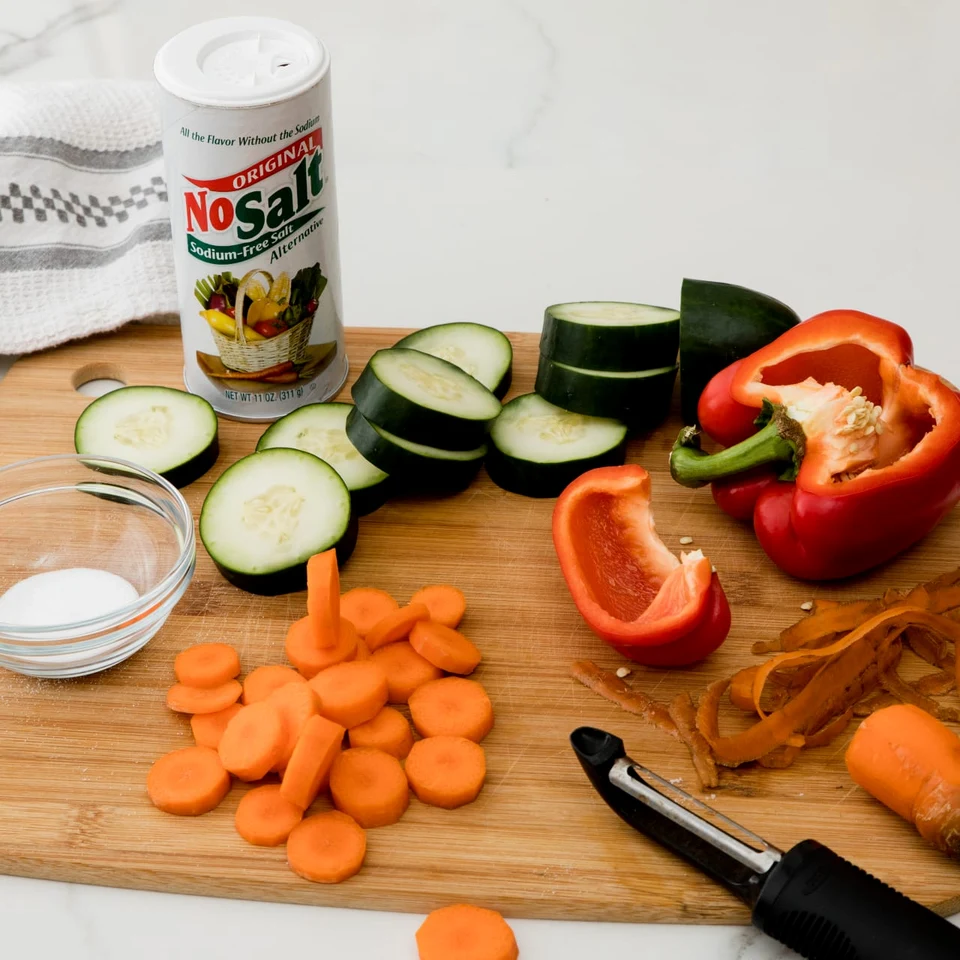
Meal idea one: a vegetable-led tray dinner
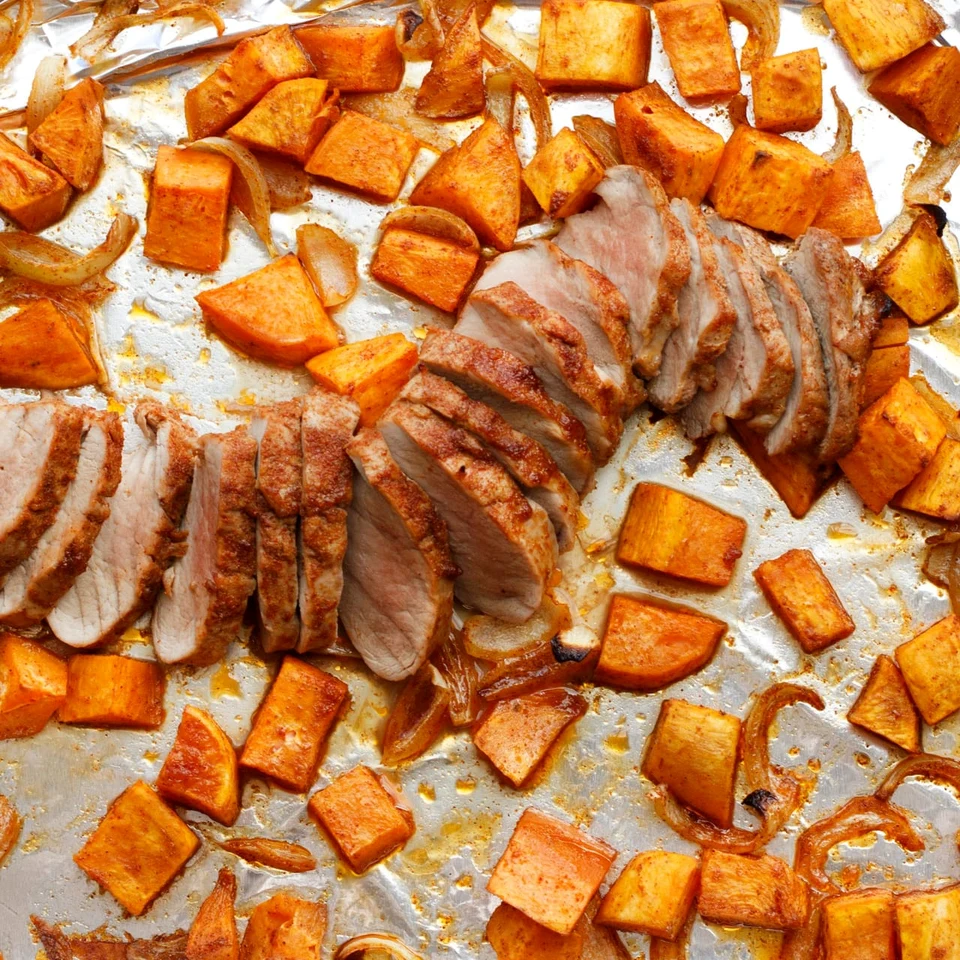
Choose vegetables that you enjoy roasted and cut them into pieces suited to their cooking times. Spread them out so they have room rather than piling everything into a deep layer. Add a protein prepared according to its own safe cooking instructions, or cook it separately if that gives you better control over timing.
Build flavor with oil appropriate to the recipe, pepper, garlic, or herbs you already like. Keep prepared sauces optional so each serving can be finished deliberately. If NoSalt is appropriate for you, follow the package directions and season a small portion before deciding how to finish the rest of the meal.
A fresh element can make the plate feel complete. That could be a simple salad, a handful of chopped parsley, or lemon served alongside the vegetables. You do not need all three. Choose one addition that complements the main ingredients and is easy enough to repeat on an ordinary evening.
Before serving, set aside any portion intended for another meal using clean utensils and safe storage practices. Keep that portion relatively flexible rather than covering it with a strongly flavored sauce. Tomorrow's grain bowl will be easier to adapt if today's vegetables retain their own character.
Meal idea two: a grain bowl with contrast
A grain bowl works best when its components have different jobs. The base provides substance, vegetables add variety, a protein helps make it a meal, and a dressing ties the ingredients together. Think about color and texture as well as seasoning. A bowl that is soft throughout may need a crisp component more than another spoonful of sauce.
Use your prepared grain according to appropriate reheating guidance. Add roasted vegetables and a fresh ingredient, such as cucumber or a suitable leafy green. Choose a protein that fits your meal plan. If you use canned or packaged ingredients, read their labels and preparation directions rather than assuming their contribution is the same as a plain home-cooked version.
Dress a small portion first. The combined taste tells you whether you want more acidity, aroma, or a salty note. Adjust deliberately rather than seasoning each component heavily before they meet. This approach is useful with NoSalt because it lets you judge the flavor in the food you will actually eat.
Keep a simple record of a combination you like. “Roasted carrots, rice, parsley, lemon dressing” is enough to remember a direction next week. You can change one vegetable while keeping the rest familiar. Variety does not require a completely new recipe every time; one thoughtful change can make a regular meal feel different.
Meal idea three: a soup that uses what you have
Soup is a useful destination for compatible ingredients, but it should still have a clear flavor direction. Start with a familiar base rather than adding every leftover simply because it needs using. Onion, carrots, tomatoes, and beans can make sense together; unrelated strongly seasoned leftovers may create a less appealing result.
Check the broth, canned ingredients, and prepared additions before deciding how to season the pot. Their sodium content and flavor can vary. If a particular dietary target matters, use a recipe and ingredient calculation that addresses the whole meal. Replacing table salt with NoSalt does not remove sodium already present elsewhere.
Let the soup reach its intended texture before the final adjustment. Stir, take a sample, and allow it to cool enough to taste comfortably. If different people need different seasoning, keep the pot adaptable and finish individual bowls. A handful of fresh herbs can help connect the soup to the rest of the week's ingredients.
Store remaining soup safely in suitable portions. A smaller container can be easier to use for lunch than a large pot that gets reheated repeatedly. Label it clearly so its contents and date are obvious. The practical success of a soup night depends as much on what happens afterward as on what goes into the pot.
Make the next day's lunch intentional
Leftovers become more appealing when they have a planned form. A portion of dinner may become a bowl, a salad, or a reheated plate with one fresh addition. Decide which one you want before packing it. Otherwise, the container can end up as an assortment of ingredients that technically belong together but do not feel like a meal.
Keep wet and crisp ingredients separate when practical. Pack dressing in its own suitable container, and add delicate herbs close to serving. Reheat the ingredients that need reheating and follow safe handling guidance when taking food away from home. The seasoning choice does not change the need for reliable temperature control.
Taste after reheating rather than assuming yesterday's seasoning needs another automatic addition. A sauce may have thickened or been absorbed, while fresh ingredients can change the balance. If you use NoSalt at work or in another location, keep it clearly labeled and make sure anyone sharing the meal knows what it contains.
Do not judge the plan by whether every lunch looks new. A familiar lunch that is easy to pack and enjoyable to eat can be a successful part of the week. Save more ambitious cooking for a time when it feels useful, rather than turning weekday food into a constant test of creativity.
| Prepared component | First meal | Another use | Finish near serving |
|---|---|---|---|
| Roasted vegetables | Tray dinner | Grain bowl | Fresh herbs |
| Plain cooked grain | Bowl base | Lunch side | A suitable dressing |
| Chopped aromatics | Soup base | Another cooked dish | Season to the finished dish |
| Washed fresh vegetables | Salad | Crisp bowl topping | Dressing kept separate |
Plan for a household with different needs
People sharing a kitchen may not share the same nutrition advice. One person may be reducing sodium while another has been told to limit potassium. A family-size pot of food should not quietly assume that one seasoning is suitable for everyone. Discuss the plan and keep individual guidance central.
Flexible components make this easier. Prepare a base everyone can use, then separate portions before finishing them when necessary. Keep the containers identifiable and use clean utensils. A small amount of extra organization at the stove can prevent confusion later at the table, especially when someone else serves the meal.
Guests also need clear information. Do not describe a dish simply as “salt-free” if that leaves out the use of a potassium-based substitute. Explain the ingredient in ordinary language and let people decide based on their needs. A friendly meal does not require persuading everyone to use the same product.
If you are unsure how to accommodate a dietary requirement, ask the person what they can use or follow their established guidance. Do not make a medical judgment from a recipe name. Our NoSalt label guide provides a useful starting point for understanding the product, while individual suitability questions belong with a qualified professional.
Use a flexible week instead of a rigid menu
A schedule can help without becoming a rulebook. Put the most time-sensitive ingredients earlier in the plan, keep an easy option for a busy evening, and leave space for a meal away from home or a change of plans. A realistic week includes interruptions. Designing for them is more useful than treating them as a failure.
The example below describes meal formats, not nutrient targets or prescribed portions. Choose ingredients appropriate to you and adjust the days to your schedule. NoSalt appears only where you decide its seasoning role is useful and suitable. You can follow the same planning method with other appropriate flavor tools.
| Meal | Main task | Make the next meal easier |
|---|---|---|
| Vegetable tray dinner | Cook fresh ingredients with room to brown | Reserve a suitable portion safely |
| Grain bowl | Combine cooked and fresh components | Keep dressing separate |
| Soup night | Build one coherent flavor base | Portion and label remaining soup |
| Simple leftovers | Reheat and add one fresh finish | Review what remains in the refrigerator |
| Favorite repeat | Cook the combination you enjoyed most | Write the useful details for next week |
Swap the order when your schedule changes. If an ingredient needs using sooner, move its meal forward. If you are tired, choose the simpler option rather than letting an elaborate plan prevent you from eating something suitable. The plan is there to support your week, and its success depends on being practical enough to follow.
Notice what the plan teaches you
At the end of a few days, look at what actually happened. Which meal was easy? Which ingredient went unused? Did a particular flavor combination appeal to you, or did you find yourself avoiding it? Those observations are more useful than judging whether you followed every line of a schedule.
If NoSalt's taste differed from your expectation, record where you used it and what was in the dish. Customer opinions vary, and your own preference may vary between foods. There is no need to force the same approach into every meal. Try another suitable flavor method when that makes dinner more enjoyable.
If you found yourself relying on a prepared sauce, examine that ingredient in the next shopping round. If chopping vegetables was the main obstacle, choose a simpler preparation strategy. If leftovers were repeatedly forgotten, make fewer portions. These are small, concrete adjustments that make a plan more useful without requiring a complete reset.
Keep only the notes you will use. A short list of reliable meals, a few label reminders, and one or two favorite seasoning combinations can be enough. A detailed tracker is unnecessary unless it serves a specific purpose for you or your healthcare team. The everyday goal is a kitchen routine that supports the food you want to make.
Keep one dinner for the evening that changes
Every useful plan needs a meal that can survive a late meeting, a missed shopping trip, or simply a tired cook. Choose something with a short preparation path and ingredients you can keep appropriately. It may be a simple bowl assembled from suitable stored components, or a familiar meal with fewer chopping and cleanup steps. The point is reliability, not culinary ambition.
Decide on that meal while you are planning, rather than waiting until you are hungry and rushed. Check the labels of any prepared components in advance if sodium or another nutrient matters to you. A convenient ingredient can still fit a thoughtful routine, but its suitability should come from the actual information and your needs, not the reassuring appearance of the package.
Keep the flavor direction straightforward. One aromatic ingredient, one fresh or acidic finishing element when appropriate, and a deliberate seasoning decision may be enough. If NoSalt is suitable for you and fits the dish, use it as directed. If the meal already has the flavor you want, there is no reason to add it simply because it appears in your pantry plan.
Make the cleanup part of the decision. A dinner requiring three pans may not be the right backup for an evening with very little energy. Choose a method you can manage from preparation through putting leftovers away safely. A realistic backup supports tomorrow as well as tonight by leaving the kitchen in a condition you can use again.
After a busy evening, resist the urge to compensate with an unnecessarily elaborate meal the following day. Return to the plan where it still makes sense, use the ingredients that need attention, and adjust the remaining sequence. A meal plan is useful because it gives you options. It should not create an accumulating list of cooking tasks that must be repaid.
Over time, keep two or three dependable backups and rotate them. A short list provides variety without demanding new decisions every week. Add a successful combination to that list when it proves easy to repeat. The result is a routine shaped by your actual household, with seasoning choices that serve the meal rather than determining the entire schedule.
Set up the next week with one improvement
Repeat the meal that worked best and improve the one that felt hardest. You might give vegetables more space in the pan, prepare dressing ahead, or leave final seasoning to individual portions. Change one practical detail so you can tell whether it helped. A sequence of small improvements is easier to maintain than a succession of ambitious overhauls.
Check your remaining ingredients before shopping again. Confirm whether you need another canister or simply need to use the one already open. If a larger NoSalt pack makes sense, review the quantity and current offer; if you are still learning the product, there is no need to buy more for the sake of completing a pantry plan.
Keep cooking guidance and nutrition guidance in their proper roles. A useful recipe can improve flavor and convenience, but it cannot decide whether potassium-based salt alternatives fit your medical circumstances. Continue following the advice relevant to you. For technique ideas to use with this plan, read cooking with NoSalt and choose one familiar dish for your next meal.
Further reading: CDC guidance on reducing sodium, food storage guidance, and NIH information on potassium.